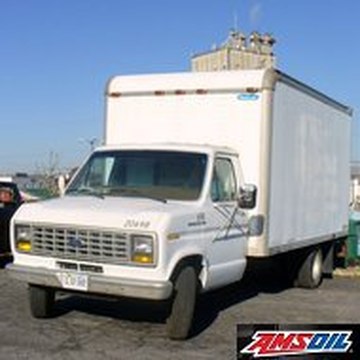
Engine Lubrication and Maintenance for the 1982 Ford Trucks E150 VAN 5.8L
Maintaining a vehicle of this era requires a focus on consistent monitoring and proactive care. For the 1982 Ford Trucks E150 VAN equipped with the 5.8L engine, regular lubrication service is a cornerstone of long-term mechanical health. Because older engines often operate under different thermal and mechanical stresses than modern vehicles, understanding how to monitor fluid condition and component integrity is essential for any owner.
Monitoring Fluid Condition and Potential Leaks
One of the most effective ways to assess the health of a 5.8L engine is through regular visual inspections of the lubrication system. Over time, various seals and gaskets may undergo changes in elasticity due to heat cycles and age. It is useful to periodically inspect the area around the engine for any signs of fluid seepage or active leakage. Finding evidence of oil on the exterior of the engine block or near sealing surfaces can be an early indicator that a component requires attention.
When performing these checks, look for:
- Dampness or residue around gaskets and seals.
- Accumulated grime that may be trapping leaking fluid.
- Puddles or spots on the ground beneath where the vehicle is parked.
If you notice a change in how much oil the engine seems to use between service intervals, this warrants investigation. While changes in lubricant consumption can be associated with various mechanical factors, identifying these shifts early allows for more controlled maintenance decisions. Always remember that a single symptom, such as an odor or a visible spot, may have multiple underlying causes and should be investigated thoroughly rather than diagnosed immediately.
Practical Inspection of Engine Accessories and Hoses
Beyond the oil itself, the components surrounding the engine deserve regular attention. For a 1982 Ford Trucks E150 VAN, ensuring that auxiliary systems are functioning correctly helps prevent secondary issues that could impact engine performance or temperature management. If equipped, inspect all accessible drive belts for signs of wear, such as cracking, glazing, or fraying. A belt that shows significant deterioration may eventually fail, which can lead to the loss of accessory operation.
Similarly, if the vehicle is equipped with various rubber hoses, these should be checked for softness, swelling, or hard spots. Hoses that appear brittle or show signs of leaking at their connection points should be monitored closely. Maintaining the integrity of these components is a vital part of general engine bay upkeep and helps ensure that the environment surrounding the 5.8L engine remains stable.
Managing Long-Term Engine Health
For owners of an older vehicle, establishing a maintenance baseline is one of the most helpful steps toward reliable operation. If you do not have access to a complete service history for this E150 VAN, your first priority should be to document current conditions. This includes noting the current state of all fluids, the condition of belts and hoses, and any existing minor leaks. Once you have established what "normal" looks like for your specific engine, it becomes much easier to identify when something has changed.
Prioritizing maintenance based on actual condition rather than just age is a practical approach. For example, an aging component that appears perfectly intact may not require immediate replacement, whereas a newer component showing signs of active leakage should be addressed promptly. Keeping a detailed log of every oil change, filter replacement, and mechanical repair provides a roadmap for future service and helps prevent the accumulation of neglected issues.
Understanding Lubricant Properties
The engine oil in a 5.8L engine performs several vital roles, including reducing friction between moving parts and assisting in heat management within the engine block. As oil ages, it can accumulate contaminants or undergo chemical changes that affect its ability to protect the engine. This is why consistent service is necessary to ensure the lubricant maintains its intended properties.
When considering different types of lubricants, owners may encounter various formulations:
- Conventional Oils: These are standard mineral-based oils used for many years in traditional engine designs.
- Synthetic and Synthetic Blends: These formulations use chemically engineered base stocks that can offer different levels of thermal stability and resistance to oxidation compared to conventional oils.
- High-Mileage Formulations: Some high-mileage oil formulations contain additives intended for use in aging engines, such as seal-conditioning additives that may help maintain the integrity of older gaskets.
Selecting between these options should be based on the specific requirements of your engine and the application information provided by your service documentation.
Observing Potential Warning Signs
Staying attuned to how the vehicle behaves during operation can provide early warnings of lubrication or cooling issues. While many mechanical problems develop slowly, some may present more sudden indicators. It is important to remain observant of any changes in engine noise or unusual smells that occur during or after driving. For instance, an unusual odor might indicate that oil is contacting a hot surface, which could be related to a leak or a seal issue.
If the vehicle's dashboard features warning indicators, such as an oil pressure light, these should never be ignored. Such signals require immediate investigation to prevent potential damage. Additionally, any visible changes in the appearance of the oil—such as extreme discoloration or a change in texture—should be noted during your next service. These observations are most useful when compared against the baseline you have established through regular monitoring.
Buying Engine Oil for your 1982 Ford Trucks E150 VAN 5.8L
When it is time to replenish your engine's lubrication, the most important step is to ensure the product matches the specific requirements of your engine. To select the correct lubricant, match the engine oil to the application-specific viscosity information shown above on this page. Do not rely on general knowledge or assumptions about what an older 5.8L engine might need; instead, use the exact specifications provided in the vehicle's technical data.
Before completing your purchase, always check the product labeling to verify that the oil meets the appropriate API certification for your needs. Whether you choose a conventional, synthetic blend, or high-mileage formulation, the primary goal is to adhere to the viscosity and quality standards identified in your application information. By following these specific guidelines, you ensure that the lubricant provides the necessary protection for your 1982 Ford Trucks E150 VAN.